
Ledger.com/Start® | Getting started — Ledger Support
Use Ledger.com/start to explore clear wallet setup guidance, from connecting your hardware device and installing Ledger Live to managing accounts and protecting essential recovery information.
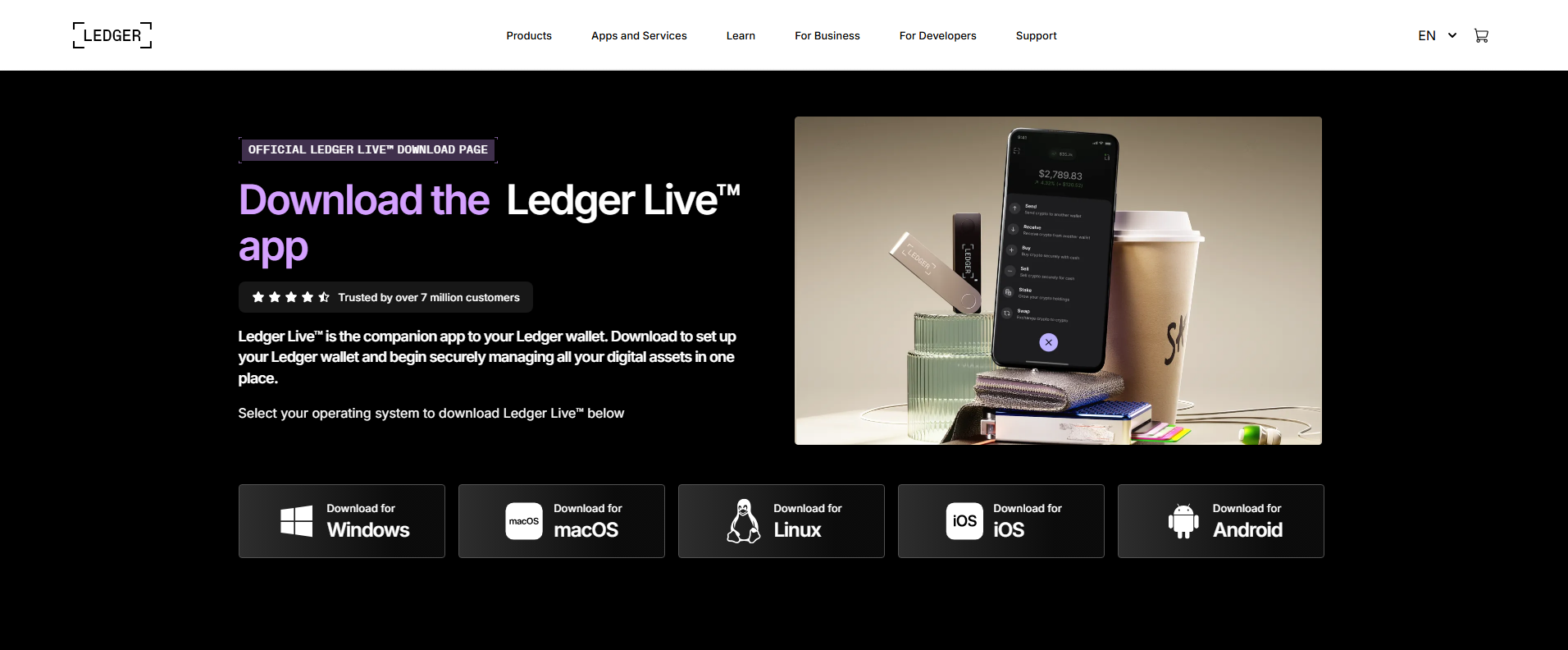
Ledger.com/start Guide: Easy Steps to Set Up Your Ledger Wallet
Managing cryptocurrency starts with choosing a secure way to protect digital assets. A hardware wallet can provide an additional layer of protection by keeping sensitive wallet information away from everyday online activity. For people using a Ledger device, Ledger.com/start is a useful place to begin the setup journey.
The process may seem technical at first, but the basic steps are straightforward when completed carefully. From connecting the device to protecting the recovery phrase, each stage plays an important role in creating a secure wallet environment.
Understanding Ledger.com/start
Ledger.com/start is associated with the initial setup process for Ledger hardware wallets. It helps new users find the appropriate Ledger software and instructions for configuring their device.
Before entering any wallet information, always verify that you are using the legitimate Ledger website. Cryptocurrency users should be particularly cautious because fraudulent websites can imitate wallet brands and attempt to collect sensitive information.
A good security habit is to enter the website address manually or use a trusted bookmark instead of clicking unexpected links received through messages or emails.
What You Need Before Setup
A little preparation can make the Ledger wallet setup much smoother. Keep your Ledger hardware wallet available along with its cable and the recovery phrase backup material provided for the setup process.
Choose a private environment where you can concentrate. Avoid setting up your wallet while someone is watching your screen or device.
You should also make sure that your computer or mobile device has a stable internet connection and that you download wallet software only from an official source.
Connect and Initialize Your Device
After reaching Ledger.com/start, follow the instructions applicable to your particular Ledger model. Install the recommended Ledger application on your compatible computer or mobile device, then connect the hardware wallet.
A new device will guide you through its initial configuration. Read the instructions shown on the hardware wallet carefully rather than depending solely on information displayed on the connected computer.
During this process, the device establishes the foundation for your wallet and prepares it for use with supported cryptocurrency accounts.
Set a Secure PIN
One of the early steps in configuring a Ledger device is choosing a PIN. The PIN provides protection against someone attempting to use the physical device without your authorization.
Select a PIN that is difficult for another person to guess. Avoid obvious combinations and never tell another person what your PIN is.
Your PIN should remain private in the same way you would protect the password or security code for another important financial service.
Your Recovery Phrase Is Extremely Important
The Secret Recovery Phrase is a critical part of a self-custody wallet. During the setup of a new Ledger device, a recovery phrase is generated for the wallet.
Write down the words exactly as they appear and keep them somewhere secure and offline. The order of the words matters, so check your written backup carefully during the device's verification process.
Do not save the phrase as a screenshot or ordinary computer file. Avoid putting it into cloud storage, email, messaging applications, password fields, or websites.
Most importantly, never give the recovery phrase to anyone claiming to provide technical support. A legitimate support representative should not need your secret recovery phrase to access or repair your wallet.
Install the Apps You Need
Once the hardware wallet has been initialized, the Ledger software can help you configure supported cryptocurrency accounts.
You may need specific blockchain applications depending on which digital assets you want to manage. Install only the applications you need and follow the instructions shown by the current version of the official software.
Keeping your wallet software and device firmware updated can also help you benefit from available improvements and security fixes. Always obtain updates through legitimate Ledger channels.
Review Transactions Before Approving
Using a hardware wallet does not mean every transaction is automatically safe. You should still verify what you are approving.
When sending cryptocurrency, carefully examine the destination address and transaction amount displayed on your Ledger device. Do not approve a transaction simply because the information on your computer appears correct.
If the details shown on the physical device do not match what you intended to send, cancel the transaction and investigate the issue before proceeding.
Stay Alert for Fake Support
Phishing is one of the biggest risks faced by cryptocurrency users. Scammers may create fake customer-support profiles, websites, emails, or messages that look professional.
They might claim that your wallet has a security problem and ask you to provide your recovery phrase. Treat such requests as fraudulent.
Your recovery phrase and PIN should never be shared. If you receive a suspicious message, stop interacting with it and verify information through Ledger's legitimate support resources.
Why Careful Setup Matters
The Ledger wallet setup process is more than simply installing an application. It establishes the security habits you will use whenever you manage digital assets.
Taking time to verify the website, protect your recovery phrase, secure your PIN, and review transactions can reduce the possibility of avoidable mistakes. Good wallet security begins before the first cryptocurrency transaction takes place.
Final Thoughts
Ledger.com/start offers a convenient starting point for configuring a Ledger hardware wallet. By following the appropriate setup instructions and treating your security information carefully, you can establish a strong foundation for managing supported digital assets.
The most important rule is simple: keep control of your recovery phrase and never share it. Use legitimate software, verify transactions directly on your hardware wallet, and remain cautious about unexpected support requests. With these habits in place, managing a hardware wallet can become a much more comfortable and responsible part of your cryptocurrency routine.
Updated about 5 hours ago